Understanding Different Types of Residential Pool Filters
Ryan Flores -
Installing a pool filter is a critical aspect of maintaining a clean and inviting residential pool. A well-functioning filter keeps the water clear, removes debris, and ensures a healthy swimming environment. Understanding the types of filters available and the installation process can help homeowners make informed decisions and enhance their pool experience.
Understanding Different Types of Residential Pool Filters
When it comes to residential pool filter installation, knowing the types of filters available is essential. Each type has its own advantages and disadvantages, making it important to choose the right one for your specific needs.
| Filter Type | Pros | Cons |
|---|---|---|
| Sand Filter | Easy to maintain, affordable | Less effective for fine particles |
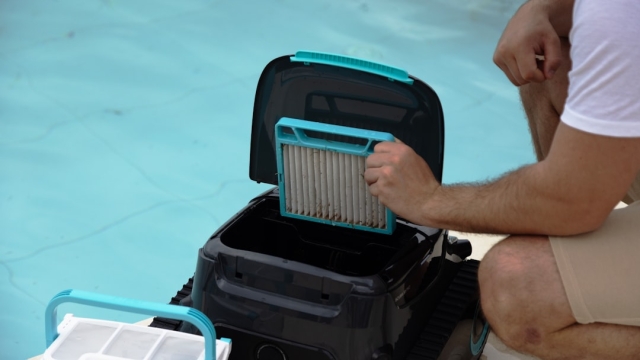
| Cartridge Filter | Good filtration, easy to clean | Requires replacement every few years |
| D.E. Filter | Excellent filtration quality | More complex installation, higher maintenance |
– Sand Filters: These are among the most common types for residential pools. They use sand to filter out impurities, making them easy to maintain and cost-effective. However, they may not be as efficient in capturing smaller particles. – Cartridge Filters: These filters utilize a cartridge to trap debris and are known for their superior filtration capabilities compared to sand filters. They are easy to clean and maintain but do require replacement every few years. – Diatomaceous Earth (D.E.) Filters: These filters provide exceptional water clarity and can filter out very small particles. However, they tend to be more complex to install and require more maintenance, including regular backwashing.
Step-by-Step Guide to Installing a Pool Filter
If you’re considering residential pool filter installation, follow these steps to ensure a proper setup:
1. Gather Necessary Tools: Before starting, gather tools such as a wrench, screwdriver, Teflon tape, and a hose. Ensure you have safety gear like gloves and goggles. 2. Turn Off Power and Water: Safety is paramount. Turn off the pool pump and any electrical supply to avoid accidents. 3. Remove the Old Filter: If you are replacing an existing filter, disconnect it from the plumbing and remove it carefully. Clean the area to prepare for the new filter. 4. Install the New Filter: Place the new filter in the designated location. Connect the plumbing according to the manufacturer’s instructions. Use Teflon tape on threaded connections to ensure a watertight seal. 5. Check for Leaks: After connecting everything, turn on the water supply and check for leaks. Tighten any fittings if necessary. 6. Start the System: Once everything is secure, turn on the pump and observe the operation of the new filter. Ensure that the flow is steady and that there are no leaks. 7. Regular Maintenance: After installation, adhere to a maintenance schedule. This includes regular cleaning and, if applicable, replacing cartridges or sand.
Common Mistakes to Avoid During Pool Filter Installation
While installing a pool filter may seem straightforward, several common mistakes can lead to issues down the line:
– Ignoring Manufacturer Instructions: Always refer to the manufacturer’s guidelines for installation, as each filter type may have specific requirements that are crucial for proper function. – Improper Sizing: Ensure the filter is appropriately sized for your pool. An undersized filter will struggle to keep the water clean, while an oversized one may lead to unnecessary costs. – Neglecting Safety Protocols: Always prioritize safety by turning off power and using protective gear. Avoid rushing through the installation process. – Forgetting Regular Maintenance: After installation, neglecting maintenance can result in reduced efficiency and increased repair costs. Establish a routine for cleaning and inspecting the filter. In conclusion, residential pool filter installation is a vital process that contributes to the overall health and enjoyment of your pool. By understanding the different types of filters, following a thorough installation guide, and avoiding common mistakes, you can ensure a clean and inviting swimming environment for years to come. For more information and assistance with pool filters, consider reaching out to a professional service.